
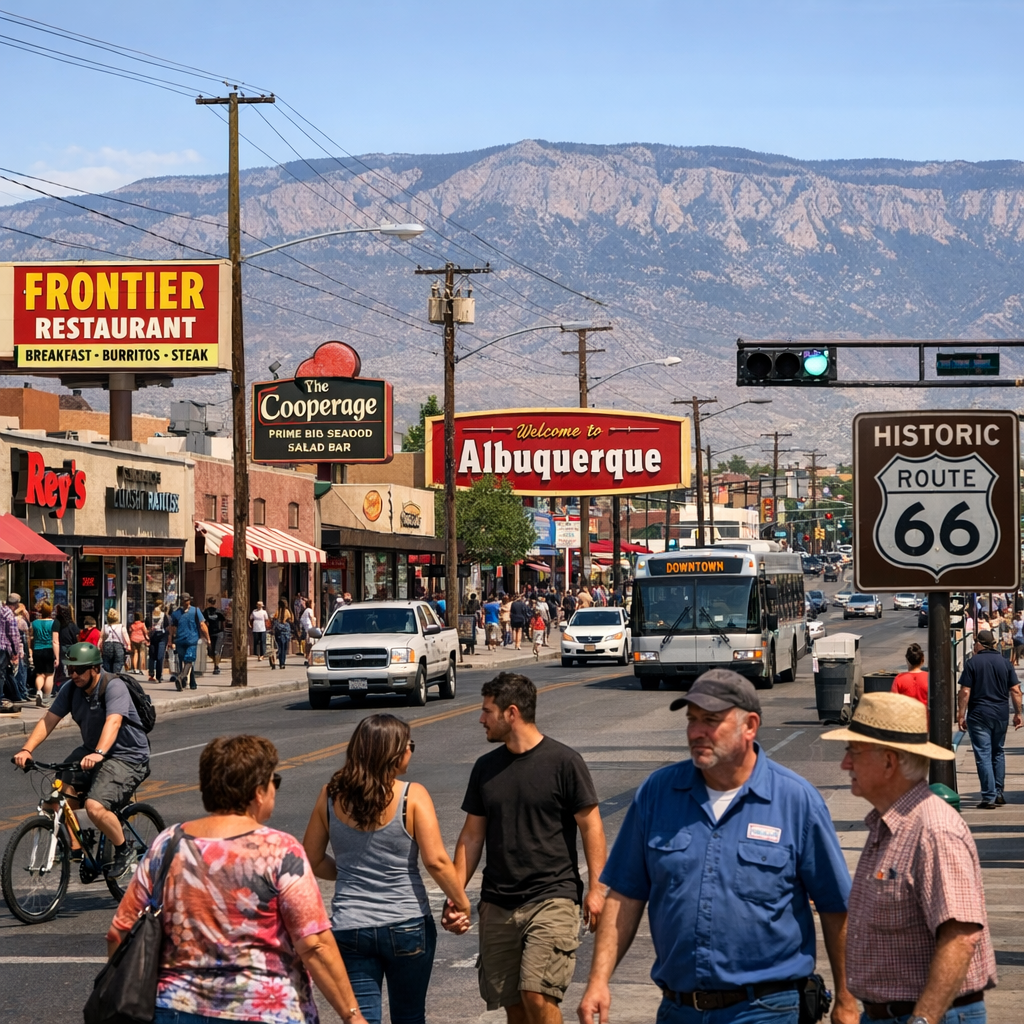
Recent economic indicators have painted a complex picture of the U.S. economy, with developments that may resonate with residents here in Albuquerque.
Job Market Fluctuations
In July, the U.S. labor market experienced an unexpected contraction, with employers cutting 23,000 jobs. This downturn was particularly evident in sectors such as public education, hospitality, and retail. While the national unemployment rate dipped to 4.1%, this was largely due to a significant number of individuals exiting the labor force, leading to the lowest participation rate since February 2021. These national trends could have local implications, especially for Albuquerque’s service and education sectors.
Inflation and Cost of Living
Inflation remains a pressing concern, with consumer prices rising by 3.5% in June compared to the previous year. This increase has outpaced wage growth, placing additional financial strain on households. Notably, gas prices have surged, a situation exacerbated by ongoing international conflicts. For Albuquerque residents, this translates to higher transportation and living costs, affecting daily budgets and financial planning.
Political Implications
These economic challenges have also influenced the political landscape. Republican strategists have expressed concerns about potential setbacks in the upcoming midterm elections, attributing voter dissatisfaction to economic policies and rising living costs. As Albuquerque prepares for local and national elections, these economic factors may play a pivotal role in shaping voter sentiment and decisions.
Understanding these national economic trends is crucial for Albuquerque residents as they navigate their personal and professional lives. Staying informed and proactive can help mitigate the impacts of these broader economic shifts on our local community.