

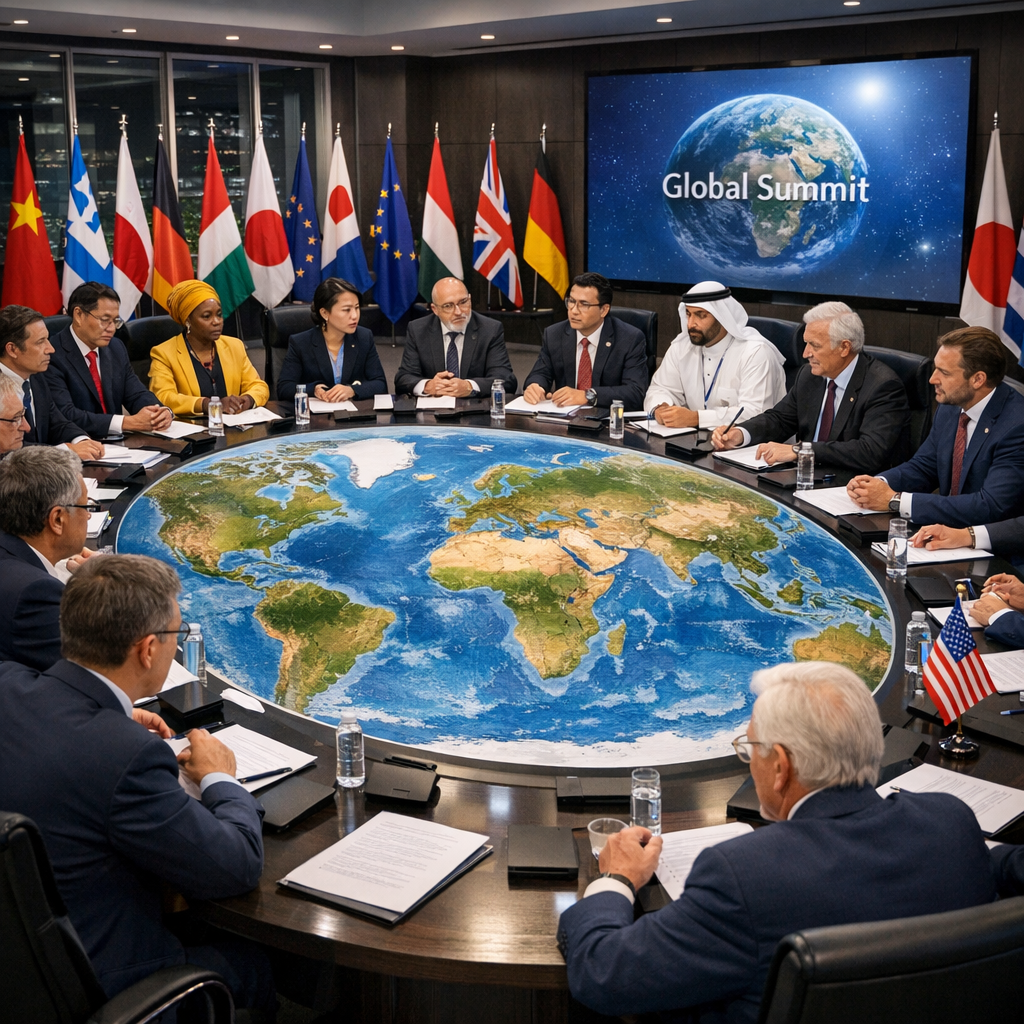
International climate negotiations are entering a pivotal period. With the first Global Stocktake completed, nations are now focused on translating its findings into concrete climate action. This involves updating national targets, strengthening policies on emissions, and delivering financial, technical, and societal support. How this global cooperation evolves may define whether efforts to limit warming to 1.5 °C succeed.
What the Global Stocktake Means
The Global Stocktake (GST) is a process under the Paris Agreement designed to assess collective progress toward its goals. Outcomes from the recent GST underscore that although many countries have submitted stronger climate plans—called nationally determined contributions (NDCs)—efforts are still falling short in many areas, including adaptation, loss and damage, and finance.
Key Areas Identified for Follow-Through
- Enhanced Ambition in NDCs: In 2025, countries updated their targets through 2035, basing them on lessons from the first GST, particularly where mitigation and adaptation commitments were lacking.
- Just Transition Mechanism: New programs aim to ensure the shift to clean energy and resilient infrastructure includes protections for workers, vulnerable communities, and biodiversity.
- Finance and Support: Much of the work involves scaling up investments, technology sharing, and capacity-building—especially in developing and climate-vulnerable nations.
- Dialogue and Policy Alignment: Annual dialogues and technical events now help countries exchange good practices and coordinate policies on adaptation, climate goals, and implementation.
What It Means Globally and Locally
For global safety and stability, stronger cooperation can reduce climate risks like extreme weather, food insecurity, and displacement. For places like Albuquerque, it translates into policy changes, climate resilience efforts, and potential federal or international partnerships to support local mitigation and adaptation projects.
Some opportunities include grants for clean energy deployment, collaborations to improve data and early-warning systems for floods and droughts, and investment in nature-based solutions like sustainable water use and urban forestry.
Challenges Ahead
Despite momentum, obstacles remain. Not all countries have the same capacity to deliver on commitments, and gaps in funding persist—particularly for adaptation and loss and damage. There are also ongoing negotiations over technical standards, accounting methods, and how to measure progress transparently.
Effective cooperation will require trust, clear accountability, and inclusive processes. Stakeholders at every level—from international bodies to local communities—will need to be engaged in forming policies that are equitable and rooted in scientific evidence.
Looking Forward
As the world moves toward COP 31 and future climate gatherings, action will be closely watched. Can countries harness the momentum from the Global Stocktake to make the changes needed this decade? Will developed and developing countries alike honor both ambitions and responsibilities? How we answer those questions in the coming months will help determine whether the 1.5 °C goal remains within reach.