

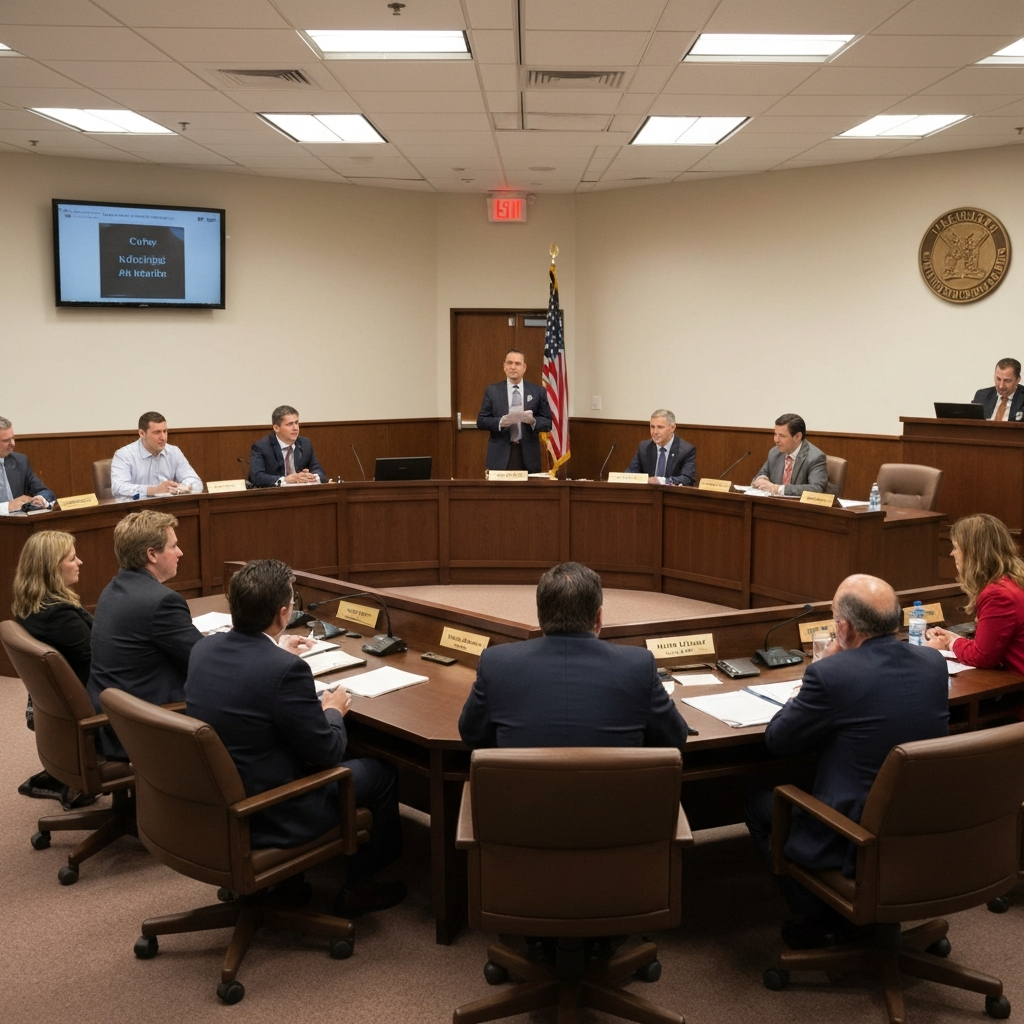
In a recent session, the Albuquerque City Council voted 6-3 against a proposal to implement ranked choice voting (RCV) for municipal elections. This decision marks the fourth time in seven years that the council has declined to adopt this voting method.
RCV allows voters to rank candidates in order of preference. If no candidate secures a majority of first-choice votes, the candidate with the fewest votes is eliminated, and their votes are redistributed to the voters’ next choices. This process continues until a candidate achieves a majority.
Supporters of RCV argue that it can lead to more inclusive and representative elections while reducing the costs associated with traditional runoff elections. Bernalillo County Clerk Michelle Kavanaugh noted that the 2025 runoffs cost taxpayers approximately $1.8 million, and future runoffs are projected to cost at least $500,000. She also mentioned that existing voting machines are capable of handling the ranking software.
Opponents, however, express concerns about the complexity of RCV and potential voter confusion. Councilor Dan Lewis described the system as “unfair, complicated, and untrusted,” citing reports that voters in Santa Fe still experience confusion years after its implementation.
With the proposal’s defeat, Albuquerque will continue using its traditional runoff system if no candidate reaches 50% of the vote. Councilor Tammy Fiebelkorn, a proponent of RCV, indicated that she sees its adoption as inevitable and expects the issue to return in future council sessions.
For residents interested in the council’s decision-making process, the full meeting is available for viewing on the city’s official website.